Thousands of Australian men with disabilities are entitled to NDIS funding but have never applied. The process is more complicated than most people expect. This guide covers every step, from checking your eligibility to activating your first funded plan.
The National Disability Insurance Scheme is a government program that funds supports and services for Australians with permanent and significant disabilities. For men living with physical, neurological, intellectual, or psychosocial conditions, NDIS funding can mean access to therapy, assistive technology, daily living support, and help reaching personal goals.
But none of that is available until you go through the NDIS application process. Here is how it works.
The NDIS eligibility criteria are set by the National Disability Insurance Agency (NDIA). Before you invest time in the application process, confirm you meet all four requirements below:
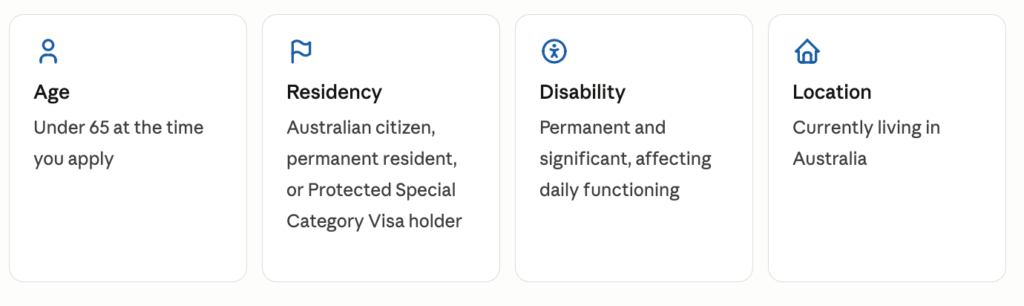
If you are over 65, aged care services rather than the NDIS are the relevant pathway. If you are unsure whether your disability qualifies, use the eligibility checklist at ndis.gov.au or call 1800 800 110. Conditions including acquired brain injury, autism, cerebral palsy, mental health conditions, and sensory impairments can all meet the disability requirement depending on their functional impact.
“The key question is not what your diagnosis is. It is how your disability affects your ability to do everyday things.”
Use the NDIS eligibility checklist at ndis.gov.au to confirm you meet the age, residency, and disability criteria before doing anything else. Alternatively, contact your nearest Local Area Coordinator (LAC), who can walk you through it at no cost.

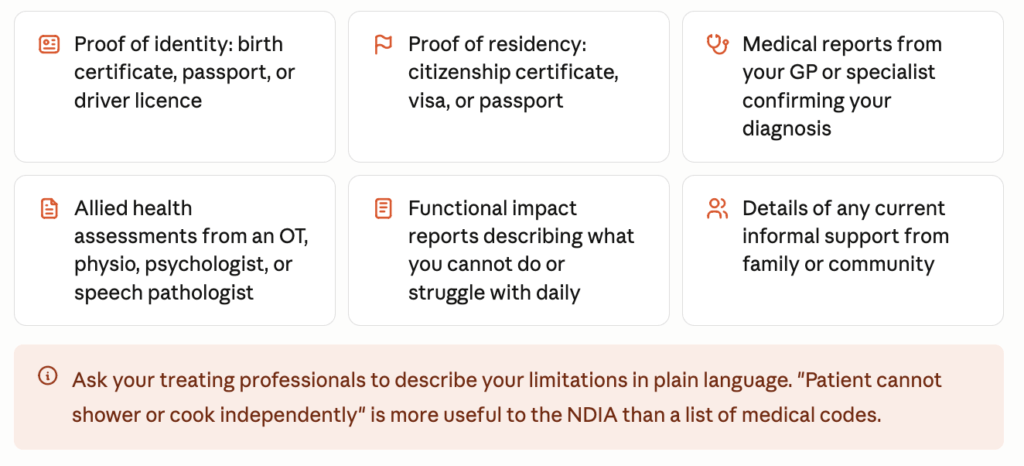
The strength of your application depends almost entirely on the quality of your supporting evidence. The NDIA needs documentation showing how your disability affects your daily functioning, not just a diagnosis.
The Access Request is the official start of your NDIS application. You have three options:
You will provide personal details, disability information, current supports, and consent for records to be accessed. A family member, carer, or support coordinator can assist you with this step.
After submitting, the NDIA reviews your application. This typically takes several weeks. They may contact you for additional information, and you should respond promptly to avoid delays. You can check progress by calling the NDIS or speaking with your LAC.
If approved, you receive a written confirmation that you are now an NDIS participant and will be invited to a planning meeting. If declined, you have the right to request an internal review within three months of the decision.
Before the meeting, think through your goals (independence, employment, community access, health), the specific supports you need to reach them, the gaps in your current situation, and any equipment or therapies you rely on or want to access. You can bring a support person, family member, or disability advocate.

After the meeting, your written NDIS plan is issued. It outlines your approved funding across Core Supports, Capacity Building, and Capital Supports. Read it carefully. If anything is missing or wrong, request a plan review before activating it.
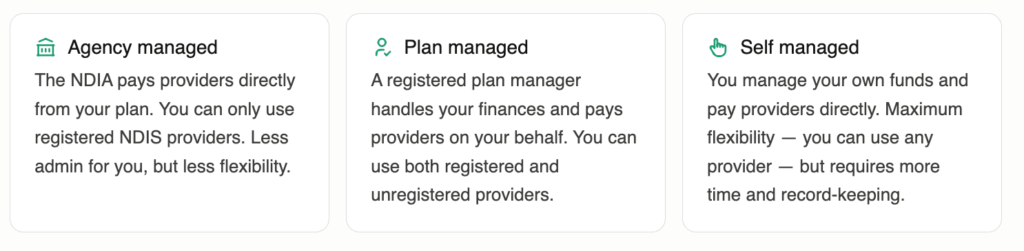
You also choose a funding management style:
You do not have to go through this process alone. Several free and low-cost resources are available to help men with disabilities navigate the NDIS application process: